

The landscape of data privacy compliance has grown increasingly complex.
For organizations in Los Angeles, the challenge lies in balancing California-specific regulations with international standards that affect global operations. Two of the most influential laws shaping this environment are the California Consumer Privacy Act (CCPA) and the European Union’s General Data Protection Regulation (GDPR).
While both aim to safeguard consumer data, their scope, requirements, and enforcement mechanisms differ in significant ways. Businesses that operate in LA but serve clients or partners abroad often find themselves navigating both.
Failing to align with these regulations comes with steep penalties and reputational damage. Beyond legal consequences, the public now expects organizations to treat personal data with transparency and responsibility.
For LA-based companies, mastering the nuances of CCPA and GDPR is no longer optional. It is central to building trust, mitigating risk, and staying competitive.
Why Data Privacy Compliance Matters for Los Angeles Companies
California has set the pace for U.S. privacy laws with the CCPA, and its successor, the CPRA, has expanded consumer rights even further. Meanwhile, GDPR has reshaped international standards by imposing strict rules on data processing, consent, and accountability.
Organizations in Los Angeles, especially those in industries like finance, healthcare, and entertainment, are particularly exposed. Data collection and transfer are essential to these sectors, yet they come with obligations that must be managed carefully. The global average cost of a data breach is $4.4M, a figure that underscores the financial and operational impact of noncompliance.
Compliance is not just about avoiding fines. It is about demonstrating responsibility in how personal information is gathered, stored, and shared. For businesses, prioritizing privacy is now a strategic differentiator.
Core Principles of CCPA
The California Consumer Privacy Act gives residents greater control over their personal data. Under the CCPA, consumers have the right to know what data is being collected, request deletion of their data, and opt out of the sale of their information.
Compliance requires companies to update privacy notices, create mechanisms for consumer requests, and ensure vendors also follow these rules. The California Privacy Rights Act (CPRA), which amends the CCPA, strengthens enforcement and expands consumer rights even further.
For LA companies, this means reviewing all data-handling processes, from marketing campaigns to third-party partnerships. Transparency is the cornerstone of CCPA compliance.
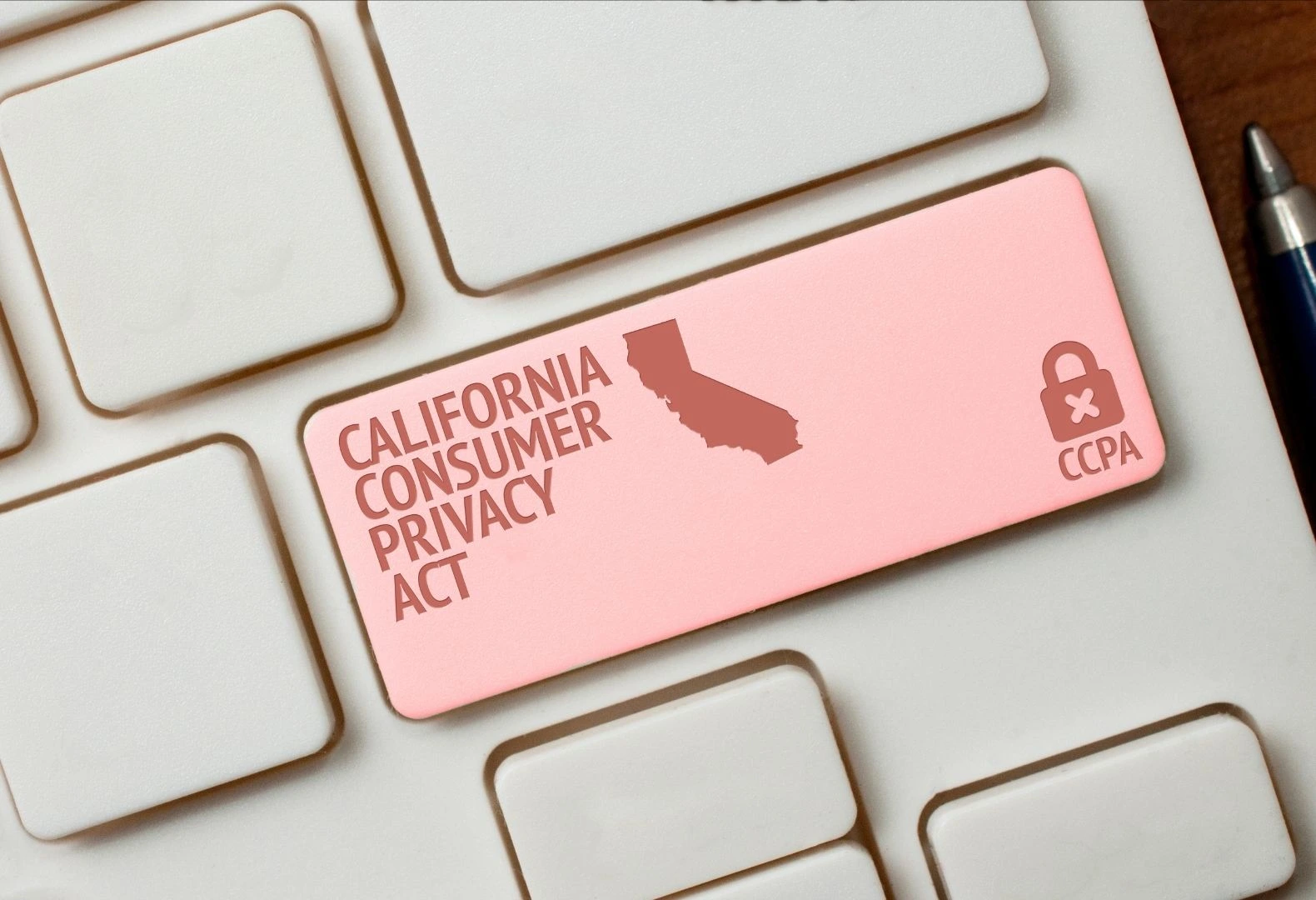
Computer keyboard with California Consumer Privacy Act written across.
Key Features of GDPR
The General Data Protection Regulation applies to any organization processing the personal data of EU residents, regardless of location. For Los Angeles businesses that have international customers, GDPR’s reach cannot be ignored.
The regulation emphasizes lawful processing, explicit consent, and the right to data portability. Unlike the CCPA, which focuses on consumer rights within California, GDPR has broader extraterritorial impact. Penalties for noncompliance are steep, with fines reaching up to 4% of annual global revenue.
GDPR compliance often requires more rigorous data protection measures than U.S. laws, including appointing Data Protection Officers and conducting Data Protection Impact Assessments.
Comparing CCPA and GDPR in Practice
Although both laws share the goal of protecting personal data, they diverge in how rights are granted and enforced. CCPA focuses on giving consumers visibility and choice, while GDPR emphasizes explicit consent and accountability across the data lifecycle.
For instance, under GDPR, consent must be clear and affirmative. Pre-checked boxes or implied agreement do not suffice. CCPA, meanwhile, allows businesses to collect data unless a consumer opts out. These distinctions may seem subtle, but they have major implications for compliance strategies.
Businesses that serve both Californian and European markets often design policies that satisfy the strictest requirements to streamline operations. This reduces the risk of falling short in either jurisdiction.
Data Privacy Compliance Challenges in Los Angeles
Organizations in LA face unique hurdles due to the city’s global connections. Entertainment studios, tech startups, and financial firms often process data from multiple jurisdictions. This makes compliance a multi-layered challenge.
One major obstacle is governance. A recent survey found that 63% of organizations admitted to lacking governance policies, especially when it comes to dealing with AI. As AI becomes more integrated into data processing, ensuring compliance requires new oversight mechanisms.
Another challenge is aligning cybersecurity compliance frameworks with privacy regulations. Many businesses treat cybersecurity and compliance as separate efforts, but effective strategies must integrate both.
The difference between network security and compliance is important here: security protects systems from threats, while compliance ensures adherence to legal standards. Neglecting either side leaves businesses exposed.
The Role of Technology in Compliance
Emerging technologies can support compliance efforts but also introduce new risks. For instance, cloud compliance has become a pressing issue. Cloud services enable scalability and flexibility, but they also complicate data storage and jurisdictional boundaries. Businesses must ensure that their providers meet CCPA and GDPR requirements.
Artificial intelligence presents both an opportunity and a liability. AI-driven analytics can enhance risk detection, but they also raise ethical and privacy concerns. Ensuring transparency in automated decision-making is a growing priority under both regulations.
Expanding Regulatory Pressures
Beyond CCPA and GDPR, new frameworks continue to emerge. Federal initiatives in the U.S. may eventually establish nationwide standards, while industry-specific regulations are already gaining traction. For example, CMMC compliance has become critical for companies working with the Department of Defense.
These overlapping requirements create a patchwork of obligations. Businesses in Los Angeles must stay vigilant, monitoring developments not just in California and Europe but across the broader regulatory landscape.

GDPR (General Data Protection Regulation) text and icon between a man’s hands.
Why Cybersecurity Compliance Is Important for Privacy Laws
Privacy and security are two sides of the same coin. Regulatory compliance cannot be achieved without robust security measures. Breaches undermine consumer trust and trigger regulatory investigations. This is why cybersecurity compliance is important for LA companies.
The right safeguards, such as encryption, access controls, and continuous monitoring, help meet both CCPA and GDPR standards. More importantly, they protect the brand reputation that takes years to build but can be destroyed overnight by a single incident.
Actionable Steps for Building a Strong Compliance Program
Meeting the requirements of both CCPA and GDPR requires a structured approach. Companies can strengthen their compliance posture through these key steps:
- Map all data flows to understand where personal information is collected, stored, and shared.
- Update privacy policies and consumer-facing notices to align with transparency requirements.
- Implement secure mechanisms for handling consumer requests under CCPA and GDPR.
- Train employees to recognize their role in protecting personal data.
- Review vendor contracts to ensure third parties also comply with privacy laws.
- Invest in monitoring tools that track and report compliance metrics.
- Establish incident response plans that prioritize transparency and regulatory reporting.
Each of these measures requires coordination across departments. Legal, IT, and executive leadership must work together to build a compliance-first culture.
Building a Culture of Compliance in Los Angeles
Compliance should not be treated as a one-time project. Regulations evolve, technologies shift, and consumer expectations rise. For Los Angeles businesses, creating a culture of compliance means embedding privacy and security into everyday operations.
Leadership must set the tone, but every employee plays a role in handling data responsibly. Regular audits and continuous training help sustain compliance efforts. Partnering with experienced IT providers can also provide the technical depth needed to meet regulatory demands.
Taking the Next Step Toward Data Privacy Compliance
CCPA and GDPR represent two of the most influential privacy laws shaping today’s digital environment. For Los Angeles businesses, the overlap between these regulations demands careful attention and proactive planning. Building strong governance policies, integrating security with compliance, and embracing continuous monitoring are essential steps forward.
At Be Structured, we help organizations in LA navigate this complexity. From aligning with CCPA and GDPR to strengthening broader data privacy compliance programs, our team provides the expertise and tools to stay ahead.
Protecting sensitive data and meeting regulatory standards is a challenge, but it is also an opportunity to earn trust and stand out in a competitive market. Schedule a free consultation today and take the first step toward compliance with confidence.