

What Is PropTech
PropTech consulting refers to a broad set of technologies designed to improve how properties are operated, leased, and maintained. These platforms influence everything from tenant communication to building performance analytics.
Integration determines whether technology delivers value or creates friction. Without a cohesive IT foundation, even well-designed PropTech software development platforms can fragment data and increase operational risk.
Real Estate Technology and the Shift Toward Digital Property Operations
Real estate technology adoption accelerated as property teams sought better visibility across distributed portfolios. Cloud platforms and mobile tools now support real-time decision-making across locations.
Operational data has become a strategic asset. Property managers increasingly rely on centralized dashboards to track occupancy, maintenance, energy usage, and tenant engagement.
This shift requires infrastructure that supports secure connectivity and scalable data flows. Technology decisions now influence long-term efficiency rather than serving as isolated upgrades.
Core PropTech Categories Shaping Property Management
Modern property management systems centralize leasing, accounting, work orders, and tenant communications. These platforms replace disconnected tools with unified workflows.
Smart building technology adds automation through access control, HVAC optimization, and energy management systems. Sensors continuously collect data that improves building performance.
IoT devices expand monitoring capabilities by tracking equipment health, environmental conditions, and usage patterns. These systems depend on stable networks and secure data transmission.
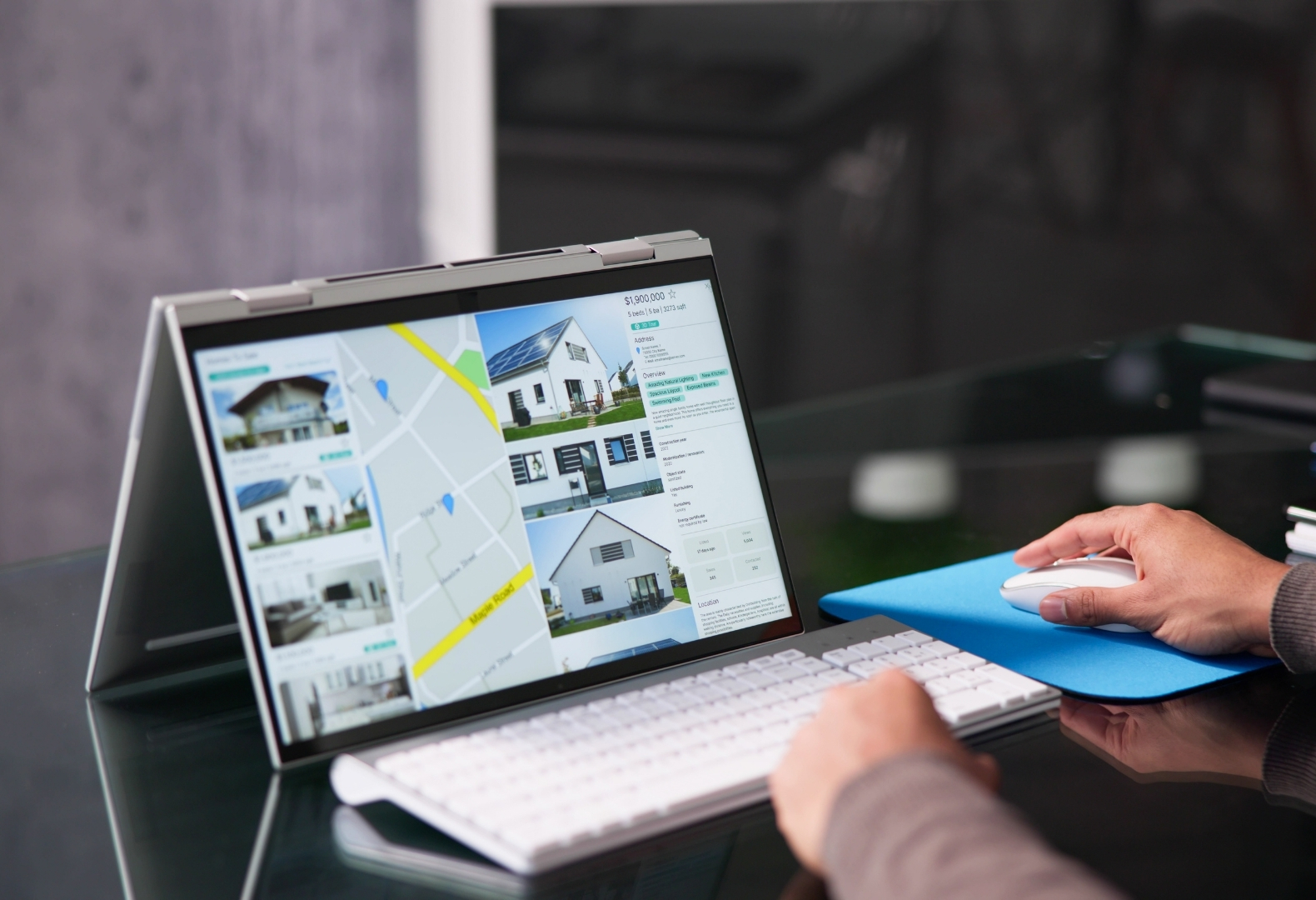
IT support for real estate websites can assure that users can quickly find the information they need to make a purchase.
Digital leasing platforms streamline tenant onboarding and document management. Data analytics tools transform operational data into insights that support budgeting and forecasting.
Together, these categories illustrate how PropTech is changing commercial real estate by shifting operations toward data-driven models. Integration determines whether these systems work cohesively or remain siloed.
Integration Challenges in Real Estate Technology Environments
Legacy systems present one of the most common barriers to PropTech integration. Older platforms may lack modern APIs or cloud compatibility.
Data fragmentation often follows when systems operate independently. Information becomes scattered across applications, reducing visibility and increasing manual effort.
Cybersecurity risks also increase as more devices and platforms connect to networks. Each integration point introduces potential vulnerabilities that require oversight.
Addressing these challenges early prevents operational slowdowns and long-term technical debt. Infrastructure planning ensures technology supports growth rather than complicating it.
Cloud Infrastructure Enables Scalable PropTech Integration
Cloud platforms provide the flexibility required for modern real estate technology stacks. Centralized hosting supports consistent access across properties.
Cloud environments simplify updates and scalability. New features and integrations can be deployed without extensive on-site changes.
API-driven software allows platforms to share data securely and efficiently. This interoperability reduces redundancy and improves reporting accuracy.
Cloud infrastructure also supports disaster recovery and business continuity. Data remains accessible even during localized outages.
Centralized Monitoring Improves Operational Visibility
As technology ecosystems expand, monitoring becomes essential. Centralized monitoring tools provide insight into system health, network performance, and security posture.
These tools help teams identify issues before they impact tenants or operations. Proactive alerts reduce response time and prevent escalation.
Centralized visibility also supports better planning decisions. Usage patterns and performance metrics guide future investments.
Reliable monitoring contributes to efforts that reduce costs and downtime across property portfolios. Preventing outages is more cost-effective than reacting to failures.
Expanding Data Visibility Across Property Portfolios
As portfolios scale, fragmented reporting becomes a growing challenge. Different buildings often operate on separate platforms with inconsistent data standards.
Unified data models allow organizations to compare performance across locations. Centralized reporting improves budgeting accuracy and operational transparency.
When data flows freely between systems, leadership gains a clearer picture of portfolio health. This visibility supports faster adjustments to staffing, maintenance, and capital planning.
Cybersecurity Considerations for PropTech Integration
PropTech environments handle sensitive information, including tenant data, financial records, and access credentials. Protecting this data is critical.
Increased connectivity expands the attack surface. IoT devices, cloud platforms, and third-party integrations require consistent security controls.
Strong identity management, network segmentation, and encryption help mitigate risk. These measures limit unauthorized access and lateral movement.
Organizations benefit from deploying advanced cybersecurity tools that monitor threats across endpoints and networks. Continuous protection reduces exposure as systems scale.
Data Protection and Ransomware Preparedness
Ransomware remains a significant threat to property operations. Disruptions can impact leasing, maintenance, and tenant services simultaneously.
Protecting operational data requires layered defenses. Backups, access controls, and incident response planning form the foundation of resilience.
Clear recovery procedures ensure systems can be restored quickly. Regular testing confirms backups function as intended.
Proactive strategies help protect your data against ransomware while maintaining operational continuity. Preparedness reduces both financial and reputational risk.
Compliance and Privacy Considerations in PropTech Environments
Regulatory requirements continue to evolve across jurisdictions. Property management systems must align with privacy laws that govern tenant data handling and storage.
Cloud platforms simplify compliance through standardized controls and audit trails. Consistent enforcement reduces the risk of accidental violations.
Organizations benefit from documenting how data is collected, stored, and shared across platforms. Clear governance improves accountability and reduces legal exposure.
Managing Vendor Selection and Integration Strategy
Evaluating PropTech vendors requires more than feature comparisons. Compatibility with existing infrastructure is a critical factor.
APIs, security standards, and data ownership policies influence long-term integration success. Vendors should align with established IT governance practices.
Pilot programs help assess performance and usability before full deployment. Testing reduces the risk of unexpected disruptions.
Clear documentation and support models also matter. Vendors should provide transparency around updates and integrations.
Supporting Remote and Hybrid Property Operations
Remote access has become a core operational requirement. Maintenance coordination, leasing approvals, and reporting often occur outside traditional office environments.
Secure remote connectivity allows teams to respond faster to issues without compromising data integrity. Mobility improves service quality while maintaining oversight.
PropTech platforms that support remote workflows depend on reliable infrastructure. Connectivity and security must scale together to avoid disruptions.
Artificial Intelligence and the Future of Real Estate Technology
AI is increasingly embedded within PropTech platforms. Predictive maintenance, demand forecasting, and automated leasing processes rely on advanced analytics.
These capabilities depend on high-quality data and reliable infrastructure. Without integration, AI tools deliver limited value.
PropTech showing different offers of property online.
Industry analysts point to AI’s enormous potential to reshape real estate through smarter decision-making and automation. Realizing this potential requires cohesive systems.
Preparing for AI adoption includes ensuring data accuracy and system interoperability. Strong foundations support advanced capabilities.
The Role of Ongoing IT Support in Property Management
Technology environments evolve continuously. Ongoing support ensures systems remain secure, updated, and aligned with operational needs.
Support teams help manage integrations, resolve issues, and plan upgrades. This oversight prevents small problems from escalating.
Partnering with a local IT support services provider offers faster response and familiarity with regional compliance considerations. Local expertise improves coordination across properties.
Consistent support allows property teams to focus on operations rather than troubleshooting technology.
Long-Term Infrastructure Planning for Real Estate Technology
Technology roadmaps help property management teams plan upgrades proactively. Aligning infrastructure investments with portfolio growth prevents reactive spending.
Lifecycle planning ensures platforms remain supported and secure. Aging systems increase integration complexity and risk.
Regular assessments help organizations adapt as new PropTech capabilities emerge. Planning ahead keeps technology aligned with operational goals.
Building a Secure and Integrated Real Estate Technology Environment
Successful PropTech integration depends on infrastructure design, security alignment, and ongoing support rather than individual tools. Coordinated systems improve efficiency, tenant experience, and data visibility across property portfolios.
At Be Structured, we help property management organizations design secure infrastructure, integrate PropTech platforms, and maintain reliable operations through industry-specific IT expertise. Schedule a free consultation today to build a real estate technology environment that scales with confidence.
