

A restaurant’s technology environment now influences the speed of service, order accuracy, and overall guest satisfaction. As digital tools multiply across front-of-house and back-of-house operations, IT support for restaurants has become a foundational element of daily performance rather than a background function.
Modern restaurant operations depend on far more than point-of-sale terminals. Ordering platforms, kitchen systems, workforce tools, and payment technologies must work together seamlessly to support consistency and resilience. Without reliable IT support for restaurants, even minor technology failures can disrupt service during peak hours.
Why Restaurant IT Support Extends Beyond POS
Point-of-sale systems remain central to transactions, but they represent only one layer of the restaurant technology stack. Inventory platforms, digital menus, loyalty systems, and online ordering tools now shape how restaurants operate and compete.
Industry research shows a gap between how technology is perceived by operators and guests. According to the National Restaurant Association, consumer expectations often differ from those of restaurant operators, as operators focus on competitive differentiation while consumers prioritize convenience through web-based and app-based ordering.
This disconnect highlights the need for integrated systems that support both operational goals and customer experience.
The Core Components of a Modern Restaurant Technology Stack
A functional restaurant technology stack includes POS systems, kitchen display systems, inventory management, workforce scheduling, and integrated payments. These tools must exchange data in real time to prevent delays, errors, and manual workarounds.
Online ordering platforms and delivery integrations have become essential. When these systems are poorly connected, order accuracy and fulfillment speed suffer. Strong IT support for restaurants ensures that integrations remain stable and scalable.
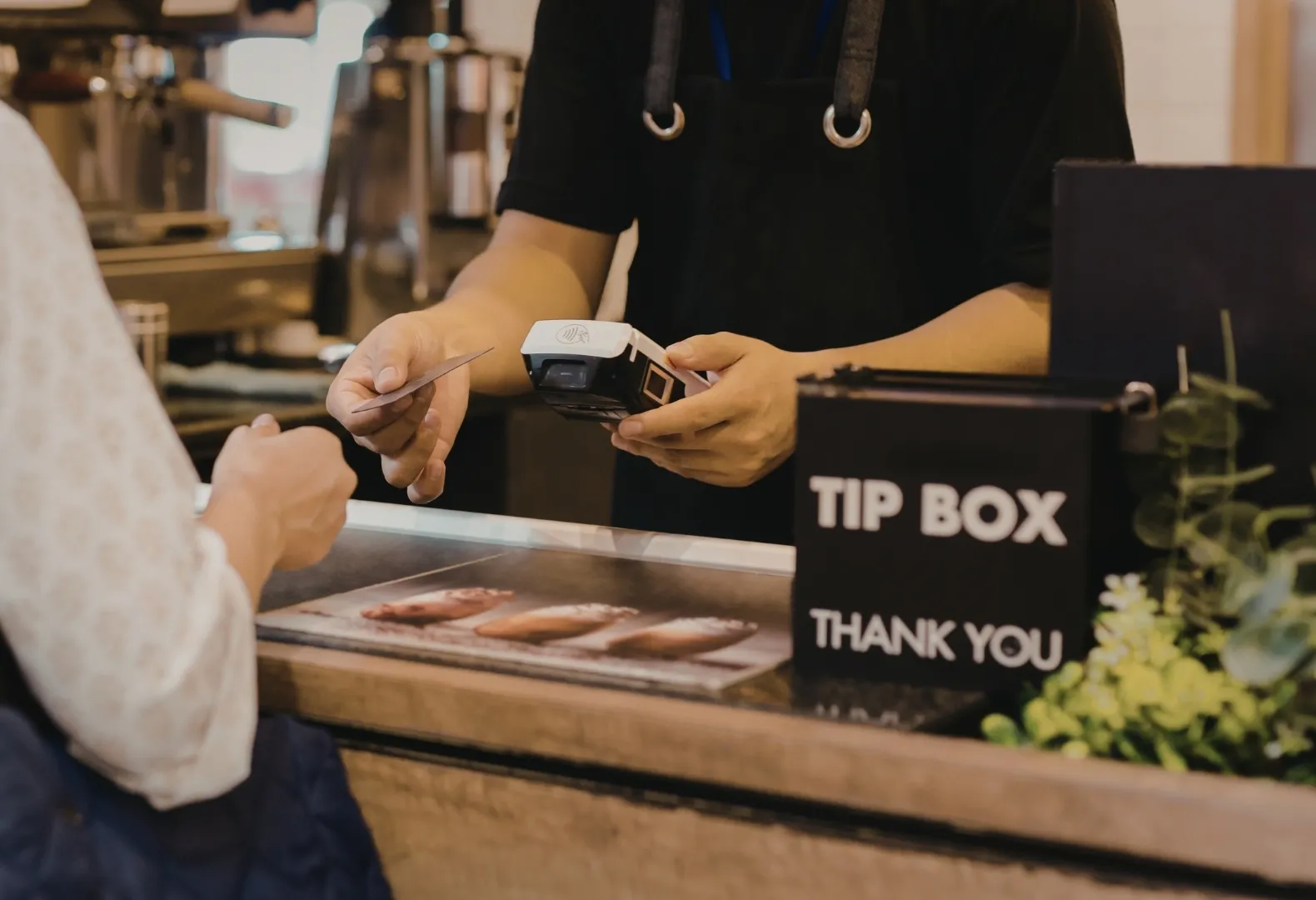
When technology works seamlessly, customers notice. When it fails, they leave.
Real-Time Integration Drives Performance
Speed and accuracy depend on systems communicating instantly. Orders placed through mobile apps, kiosks, or third-party platforms must flow directly to kitchen displays and inventory systems without delay.
Key technology priorities now center on integration and automation, particularly across ordering and payment platforms. Automation reduces manual entry and helps maintain consistency during high-volume periods. Integrated systems also improve reporting accuracy for sales and labor metrics.
Customer Experience Is Tied to Technology Reliability
Guest expectations increasingly revolve around convenience and speed. Technology influences not only how orders are placed, but also where customers choose to dine.
Research from Kiosk Industry indicates that 4 out of 5 customers say technology plays a role in where they eat, with most using self-service tools at least occasionally, even though many have encountered technical issues. These issues often stem from unstable networks, outdated hardware, or poorly supported software.
Reliable IT support for restaurants helps reduce these friction points. Stable systems protect the guest experience while preserving staff efficiency.
Digitization and Growth in Restaurant Operations
Digital transformation continues to reshape the hospitality sector. Digitization has emerged as a primary growth driver, with approximately 74% of restaurants worldwide adopting digital tools such as order management and inventory tracking.
As digital adoption accelerates, technology complexity increases. Restaurants must manage more devices, platforms, and vendors than ever before. This complexity makes proactive IT support for restaurants essential for sustainable growth.
Network Reliability as the Foundation
Every digital system relies on a stable network. Wi-Fi connectivity supports POS terminals, kiosks, handheld devices, and guest access simultaneously.
Network outages during service hours create immediate operational disruption. Consistent hardware and network support ensures that routers, switches, and cabling can handle peak demand without degradation.
The Role of Cloud-Based Systems
Many restaurant platforms rely on cloud computing to centralize data and support multi-location operations. Cloud-based systems enable remote access to reporting, menu updates, and pricing changes across locations.
However, cloud reliability depends on local network performance. IT support for restaurants must address both cloud architecture and on-site connectivity to maintain uptime and responsiveness.
Managing Vendor Sprawl in Restaurant Technology
Restaurants often rely on multiple technology vendors for POS, online ordering, loyalty programs, and delivery integrations. Each vendor introduces additional complexity and potential failure points.
Vendor sprawl can create gaps in accountability. Clear coordination and centralized oversight help prevent finger-pointing during outages. Effective IT support for restaurants acts as a single point of accountability across vendors.
Cybersecurity Risks in Hospitality Environments
Restaurant systems process payment data, customer information, and employee records. These systems are frequent targets for cyberattacks due to high transaction volume and distributed endpoints.
Security measures must extend across POS systems, networks, and cloud platforms. Proactive monitoring and patch management reduce exposure while protecting sensitive data.
Proactive Monitoring Prevents Downtime
Waiting for systems to fail before responding leads to lost revenue and frustrated customers. Proactive monitoring identifies performance issues before they escalate into outages.
Centralized dashboards provide visibility into network health, device status, and application performance. IT support for restaurants that emphasizes prevention helps maintain consistent service during peak periods.
Scaling Technology for Multi-Location Operations
As restaurants expand, technology challenges multiply. Multi-location operations require standardized configurations, centralized management, and consistent support.
Cloud-based tools and remote monitoring simplify scaling. Consistency across locations improves training, reporting, and customer experience. Strong IT support for restaurants enables growth without sacrificing reliability.
Evaluating IT Support Capabilities
Choosing the right technology partner requires careful evaluation. Restaurants should understand what to look for in an IT support services company, including hospitality experience, response times, and integration expertise.
Industry knowledge matters. Providers familiar with restaurant workflows understand the urgency of downtime during service hours. Specialized IT support for restaurants aligns technology decisions with operational realities.

IT support for restaurants has become a foundational element of daily performance
Aligning Technology With Staff Workflows
Technology should support staff rather than slow them down. Poorly designed systems increase training time and frustration.
Integrated platforms reduce complexity at the point of service. When technology aligns with workflows, staff can focus on delivering quality service instead of troubleshooting devices.
Building a Resilient Restaurant Technology Strategy
A resilient technology strategy balances innovation with reliability. Regular assessments help identify outdated hardware, unsupported software, and security gaps.
Planning for redundancy and failover reduces risk. Restaurants that invest in proactive IT support for restaurants experience fewer disruptions and faster recovery.
Turning Technology Into a Competitive Advantage
Technology investments only deliver value when systems perform reliably. Integrated platforms, stable networks, and proactive monitoring turn technology into a competitive asset.
Restaurants that prioritize IT resilience improve consistency across locations and service channels. Technology becomes an enabler of growth rather than a source of risk.
Supporting Restaurant Operations With the Right IT Foundation
Modern restaurant operations depend on a complex, interconnected technology stack. Reliable performance requires proactive monitoring, secure networks, and seamless system integration.
Actionable steps include auditing current systems, consolidating vendors, strengthening network infrastructure, and implementing continuous monitoring. These measures improve uptime and protect both revenue and reputation.
At Be Structured, we help restaurants manage complex technology environments with all-inclusive managed IT services in Los Angeles designed for hospitality operations. Our approach supports scalability, reliability, and security through proactive monitoring, integration expertise, and network support and installation.
Strengthen your restaurant’s technology foundation. Schedule a free consultation today.
FAQs: IT Support for Restaurants
1. Why do restaurants need specialized IT support instead of general tech services?
Restaurant technology operates under unique conditions that general IT providers often don’t understand. Systems must perform flawlessly during high-volume service hours when even minutes of downtime directly impact revenue and guest satisfaction. Specialized IT support for restaurants accounts for the urgency of hospitality environments, the complexity of integrated ordering and payment systems, and the specific compliance requirements around payment data security.
2. What systems are included in a modern restaurant technology stack?
A complete restaurant technology stack extends far beyond point-of-sale terminals. It includes kitchen display systems, inventory management platforms, workforce scheduling tools, online ordering integrations, third-party delivery connections, loyalty program software, digital menu boards, and integrated payment processing. All these systems must communicate in real time to maintain operational efficiency and order accuracy.
3. How does poor system integration affect restaurant operations?
When restaurant systems operate in silos, manual workarounds become necessary. Orders placed through mobile apps or third-party platforms may require re-entry into POS systems, increasing the risk of errors and delays. Disconnected inventory systems lead to inaccurate stock counts and potential menu item unavailability. Poor integration also compromises reporting accuracy for sales, labor, and food cost metrics.
4. What role does network reliability play in restaurant technology performance?
Network connectivity serves as the foundation for every digital system in a restaurant. Wi-Fi supports POS terminals, handheld ordering devices, kitchen displays, self-service kiosks, and guest internet access simultaneously. A network outage during peak service hours creates immediate operational disruption across all connected systems, making reliable network infrastructure essential for consistent performance.
5. How do cloud-based restaurant systems depend on local IT infrastructure?
While cloud platforms centralize data and enable remote management across multiple locations, their reliability depends entirely on local network performance. Slow or unstable connections cause delays in order processing, menu updates, and reporting. Effective IT support for restaurants must address both cloud architecture and on-site connectivity to maintain the responsiveness that hospitality operations require.
6. What cybersecurity risks do restaurants face?
Restaurants process significant volumes of payment card data, customer information, and employee records across distributed endpoints. This combination of high transaction volume and multiple access points makes hospitality environments attractive targets for cyberattacks. Security measures must extend across POS systems, wireless networks, cloud platforms, and third-party integrations, with proactive monitoring and regular patch management to reduce exposure.
7. What is vendor sprawl and why does it create problems for restaurants?
Vendor sprawl occurs when restaurants rely on multiple separate technology providers for POS, online ordering, loyalty programs, delivery integrations, and other systems. Each vendor introduces additional complexity and potential points of failure. When problems arise, accountability becomes unclear and troubleshooting slows down. Centralized IT oversight helps coordinate across vendors and provides a single point of accountability during outages.
8. How does proactive IT monitoring benefit restaurant operations?
Reactive IT support—waiting for systems to fail before responding—leads to lost revenue and frustrated customers during the repair window. Proactive monitoring identifies performance degradation, connectivity issues, and potential hardware failures before they escalate into full outages. This approach maintains consistent service during peak periods and reduces the frequency and duration of technology-related disruptions.
9. What should restaurants consider when scaling technology across multiple locations?
Multi-location expansion multiplies technology challenges significantly. Successful scaling requires standardized hardware and software configurations, centralized management platforms, consistent security policies, and reliable remote monitoring capabilities. Cloud-based tools simplify administration across locations while maintaining the consistency needed for accurate reporting, streamlined training, and uniform customer experiences.
10. How can restaurants evaluate whether an IT support provider is the right fit?
Restaurants should assess potential IT partners based on hospitality industry experience, guaranteed response times during service hours, integration expertise across common restaurant platforms, and the ability to serve as a single point of accountability across multiple vendors. Providers familiar with restaurant workflows understand that technology failures during dinner service carry different urgency than typical business IT issues.
