

Unexpected lockdowns, transport delays, geopolitical tensions, chip shortages, and regional crises demonstrated how vulnerable both physical and digital systems can be when external shocks cascade through connected networks. These events revealed weak points in vendor dependencies, aging infrastructure, cloud misconfigurations, and resource constraints that made recovery slower than expected.
How Supply Chain Disruptions Exposed IT Weaknesses
Global events have repeatedly highlighted how fragile digital supply chains can be when disruptions occur upstream. Manufacturers were particularly impacted because production environments rely on synchronized digital workflows, automation systems, remote monitoring tools, and inventory platforms.
Disruptions in one system can spread quickly through the infrastructure, causing delays across the entire operation. Shortages in networking equipment and semiconductors forced businesses to extend the life of aging hardware longer than intended, which introduced performance limitations and increased vulnerability.
These issues reinforced the importance of a thorough risk assessment that maps critical dependencies, identifies bottlenecks, and highlights systems that require modernization. When teams understand which assets maintain essential operations, they can develop more strategic plans to strengthen continuity.
Why IT Resilience Matters in Volatile Environments
Resilient IT systems protect core operations by ensuring secure, consistent, and reliable performance even when volatile conditions emerge. Strong resilience allows organizations to withstand outages, cyber incidents, supply shortages, or vendor failures without halting essential activities.
Manufacturers depend heavily on uptime because production, scheduling, delivery coordination, and equipment automation all rely on digital connectivity. Even brief interruptions can disrupt output, damage customer relationships, and create costly delays.
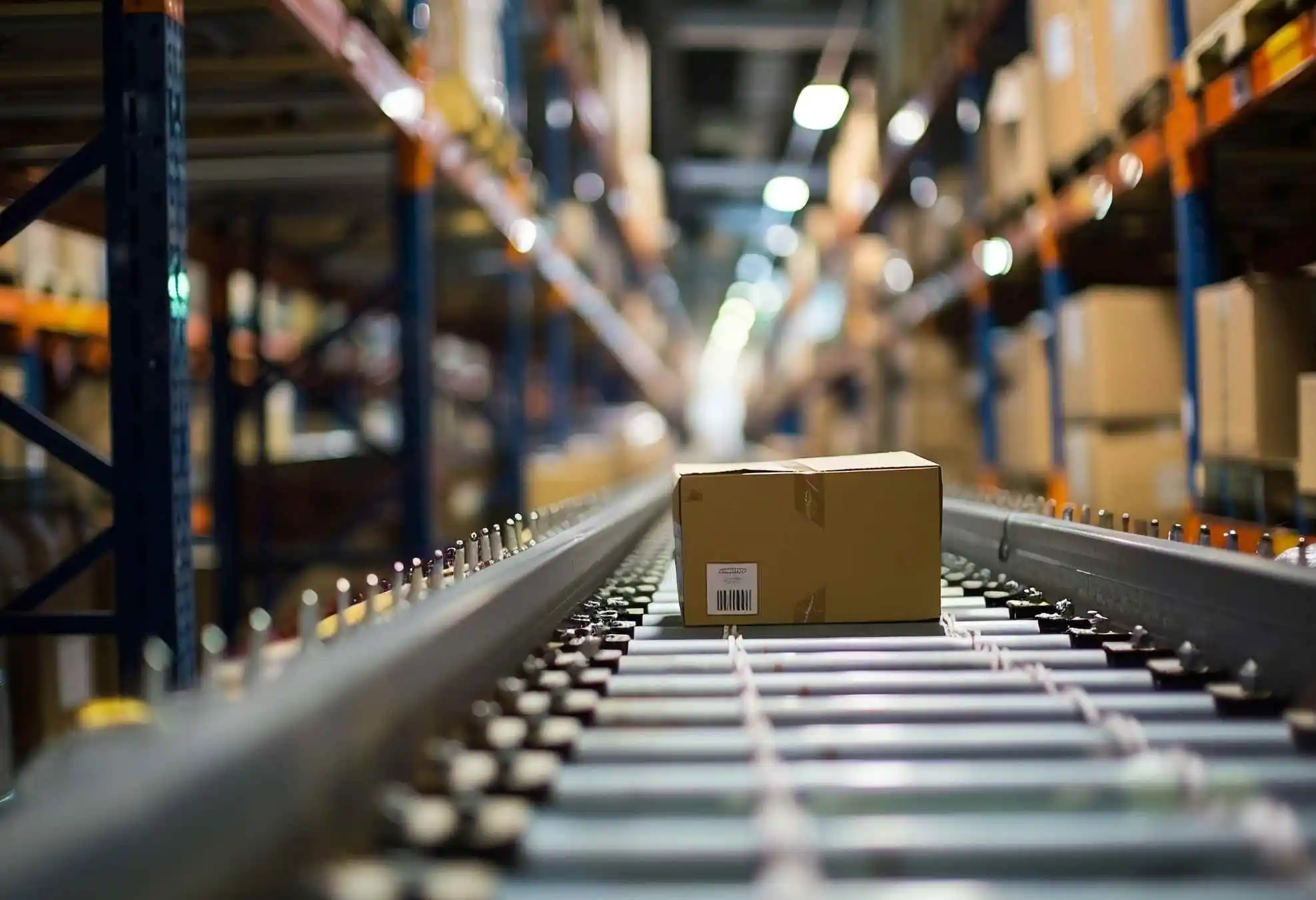
A package is on its way out of a warehouse to be delivered.
Resilience also matters for cybersecurity because attackers increasingly target supply chain dependencies to gain indirect access to connected systems. Vendor platforms, shared software tools, and distributed networks create potential entry points that can be exploited when defenses are inconsistent.
A strategic approach to resilience gives organizations greater control over how they respond to operational challenges. It also supports long-term continuity planning, broader risk visibility, and improved decision-making across critical systems.
The Role of Redundancy in Strengthening IT Resilience
Redundancy forms the foundation of resilient infrastructure because it ensures that no single point of failure can interrupt core services. Organizations use multiple layers of redundancy to secure their environments and maintain stability during unexpected events.
Network redundancy helps maintain connectivity by supporting alternative communication paths. Hardware redundancy reduces downtime by providing backup components that activate automatically when primary systems fail.
Cloud redundancy offers scalable, geographically distributed failover capabilities that protect operations during physical disruptions. Application redundancy ensures essential software platforms remain available even if one environment becomes compromised.
Redundancy works best when combined with strategic planning and performance monitoring. When teams understand asset behavior and potential failure points, they can design systems that remain dependable under pressure.
Diversifying Vendors and Reducing Single Points of Dependency
Vendor diversification helps organizations reduce exposure to disruptions that originate outside of internal control. When manufacturing environments depend on a single supplier for hardware, software, or connectivity, any interruption can create operational setbacks.
Diversification also extends to cybersecurity tools, monitoring platforms, and automation systems. Using multiple layers of defense and varied technology partners strengthens the overall security posture and limits the impact of a breach affecting one provider.
Organizations that diversify effectively gain flexibility during procurement challenges, regulatory shifts, or sudden disruptions across global markets. These advantages support more resilient long-term operations.
Strengthening Cybersecurity to Support IT Resilience
Cybersecurity remains one of the most critical components of resilience because external disruptions often create opportunities for attackers to exploit weaknesses. Strong protection ensures that operations continue even when threat conditions escalate.
Strengthening cybersecurity includes implementing multi-factor authentication, securing remote access tools, deploying modern endpoint protection, and maintaining strict patching schedules. Network segmentation and access controls limit the spread of attacks if a breach occurs.
Training internal teams improves resilience by helping employees recognize social engineering attempts and malicious activity linked to broader global events. Resilient operations rely on both strong technology and informed teams.
Building Resilience Through Strategic Infrastructure Optimization
Organizations strengthen resilience when they optimize their IT infrastructure to support critical workloads efficiently. This requires evaluating hardware condition, software compatibility, network capacity, and disaster recovery preparation.
Infrastructure optimization includes improving configuration management, reorganizing workflows, and implementing automation to reduce manual intervention. These improvements reduce the likelihood of human errors that can compound during periods of disruption.
Manufacturing environments benefit particularly from optimization because automated processes require reliable and predictable performance. Ensuring infrastructure stability supports smoother operations and improved productivity.
External Events Demonstrate How Supply Chains Influence IT Stability
Recent global disruptions revealed how geopolitical events affect global supply chains, influencing the availability of hardware, software components, and vendor services. These events also exposed how deeply digital systems depend on physical supply networks.
Conflicts, trade restrictions, natural disasters, and political instability affect lead times, shipping availability, and access to critical materials. These factors force organizations to adjust procurement plans, delay refresh cycles, or modify infrastructure strategies.
Monitoring international developments helps organizations anticipate disruptions and adjust operations proactively. This awareness forms a key component of modern continuity planning.

Warehouse worker and supply chain manager tracking inventory.
Emerging Technologies Support Long-Term Resilience
Advanced technologies are shaping the future of supply chain and IT resilience. Automation, AI-driven analytics, and real-time tracking tools improve visibility and accelerate decision-making.
In particular, technologies such as blockchain can help improve supply chain resilience by offering transparent, tamper-resistant tracking across vendor networks. Blockchain enhances trust and makes supply disruptions easier to trace.
IoT sensors, digital twins, and predictive systems help manufacturers forecast bottlenecks and maintain stable environments. These tools also support maintenance planning, reducing reliance on manual check-ins or subjective assessments.
Organizations that adopt modern tools gain faster insights and more accurate operational control. These enhancements contribute to long-term resilience that aligns with digital transformation goals.
Protecting Data During Disruptions
Strategies centered on data backup and protection ensure critical information remains accessible even when systems fail. Backups stored across multiple locations, including on-premises appliances and cloud repositories, provide essential redundancy.
Secure storage methods protect information from ransomware, corruption, or hardware failure. Organizations also benefit from regularly testing restoration processes to confirm systems can recover quickly during emergencies.
Data protection plans integrate with broader resilience strategies to maintain continuity and safeguard essential operations.
The Role of Managed Services in Supporting Manufacturing Resilience
Manufacturing operations benefit significantly from external support such as managed services for manufacturing, which provide specialized expertise and proactive oversight. Managed providers help organizations maintain stable systems, strengthen cybersecurity, and monitor infrastructure continuously.
Partnering with experienced teams accelerates recovery after disruptions and enhances visibility across distributed environments. Providers also support long-term planning by identifying vulnerabilities, recommending upgrades, and aligning systems with operational needs.
At Be Structured, we design tailored strategies that reinforce infrastructure, diversify dependencies, and strengthen digital resilience across complex environments. Schedule a free consultation with our team today to build an IT foundation that withstands disruption and supports long-term operational success.
1. What is IT resilience and why does it matter for manufacturers?
IT resilience is the ability of systems to continue operating during outages, cyber incidents, and supply disruptions. For manufacturers, resilience prevents production stoppages, protects delivery schedules, and preserves customer relationships.
2. How do physical supply chain problems affect digital systems?
Delays in hardware, semiconductors, and networking gear can force organizations to keep aging equipment in service longer, increasing failure and security risk. Those hardware shortages can cascade into software incompatibilities and slower recovery from incidents.
3. What is the role of redundancy in improving IT resilience?
Redundancy provides backup paths for networks, compute, and storage so a single failure does not halt operations. Combined with monitoring and failover automation, redundancy reduces downtime and preserves critical workflows.
4. Why should organizations diversify vendors?
Relying on a single supplier creates a single point of failure for critical components or services. Vendor diversification spreads risk, increases procurement flexibility, and reduces the impact of regional disruptions.
5. How do global events increase cybersecurity risks?
Geopolitical instability and supply shocks create windows of opportunity for attackers to exploit misconfigurations, unpatched systems, or rushed deployments. Disruptions also strain defenses, making social engineering and supply-chain targeting more effective.
6. What infrastructure optimizations help maintain uptime during disruptions?
Configuration management, automation, and predictive maintenance reduce human error and identify failing components before they cause outages. Optimizations also include capacity planning and segmented networks to limit the blast radius of failures.
7. How can emerging technologies support long-term resilience?
AI-driven analytics, IoT sensors, and digital twins improve visibility into asset health and predict bottlenecks before they escalate. Blockchain and real-time tracking increase transparency across vendor networks, helping teams respond faster to supply issues.
8. What data protection strategies are essential during supply chain disruptions?
Maintain geographically distributed backups, test restoration procedures regularly, and apply strong encryption and access controls to backup stores. Regular recovery testing ensures data accessibility and minimizes production impact after incidents.
9. When should a manufacturer engage managed IT or specialist support?
Engage managed services when internal teams lack the capacity, specialized expertise, or continuous monitoring required to maintain resilience. External partners accelerate recovery, provide strategic planning, and help implement redundancy and security best practices.
10. How can organizations stay proactive about future supply chain risks?
Continuously map dependencies, monitor global events, and run scenario exercises to identify weak points and recovery options. Combining vendor diversification, predictive analytics, and a tested incident response plan keeps operations more resilient.
