

High-definition streaming. Cross-device accessibility. Lightning-fast editing workflows.
These expectations have become standard in today’s media-driven world.
The entertainment sector, which spans film, television, music, and digital content creation, now hinges on dependable infrastructure that enables speed, agility, and airtight security.
From massive production studios to nimble content creators, the need for entertainment industry IT support has never been greater. This demand goes far beyond convenience. It’s about safeguarding assets, streamlining workflows, and ensuring uninterrupted access to media libraries, even as threats evolve and technologies advance.
And being a downtown Los Angeles IT support company, means we are smack in the middle of the enetratinment industry. We’ve worked with IT support for several small Hollywood production studios and production companies so we’ve seen first-hand what the special needs are to keep these types of businees cooking.
Why IT Support for the Entertainment Industry Is Non-Negotiable
The entertainment world no longer operates on local servers alone. Projects are edited, rendered, and stored on cloud platforms. Media is streamed across continents in seconds. And deadlines are often razor-thin.
Such a fast-paced environment leaves zero room for outdated IT frameworks or reactive support. Downtime means missed broadcasts. Lag means creative setbacks. And data breaches can compromise months of unreleased material or confidential contracts.
The shift toward multi-cloud storage, virtual production environments, and remote teams has expanded attack surfaces. As a result, IT must evolve from a support function to a strategic asset that proactively monitors, secures, and optimizes operations from end to end.
Cloud Growth Is Reshaping Digital Production
According to research, the global media and entertainment cloud computing market was valued at US$ 81.3 billion in 2024, with projections pointing to a CAGR of 22.6% through 2030. This surge reflects an industry-wide move toward scalable, flexible, and geographically accessible infrastructure.
Studios, animators, and post-production houses increasingly rely on public, private, and hybrid cloud models to collaborate in real time and manage growing digital archives. However, this also means the need for smart orchestration between environments, reliable storage tiers, and built-in redundancy.
It’s not just about scale. It’s about control. Proper configuration and proactive security measures are essential to ensure seamless cloud access without introducing unnecessary risk.

What Streaming Really Demands from IT Servcies for the Entertainment Industry
Behind every viral video, global premiere, or live-streamed concert is a robust digital framework. This includes content delivery networks (CDNs), scalable encoding infrastructure, and real-time analytics platforms.
IT professionals must ensure video assets are compressed without loss of quality, served to end users with minimal latency, and analyzed for viewer behavior to inform content strategy. When configured correctly, this entire pipeline runs invisibly in the background. But even one weak link, like a storage bottleneck or DNS misrouting, can break the viewer experience.
IT services for creative companies should account for peak traffic loads, performance testing, and built-in redundancy. They should also offer strategic guidance on which platforms and technologies best suit specific media formats and distribution goals.
Disasters, Downtime, and the Cost of Being Unprepared
In mid-2024, a routine CrowdStrike software update triggered a major outage affecting 8.5 million systems worldwide. Sky News went off-air. Production pipelines froze. Major broadcasters scrambled to switch to backups or rebuild environments from scratch.
The incident served as a wake-up call across the entertainment landscape. IT planning must now assume worst-case scenarios such as global outages, zero-day exploits, and unpredictable supply chain vulnerabilities.
The new standard includes AI-driven threat detection, offline failover systems, and multi-cloud disaster recovery strategies that can spin up mirrored environments within minutes. These measures don’t just protect operations. They protect reputations.
Storage and Post-Production Infrastructure
Entertainment teams often deal with terabytes of raw footage, audio sessions, and motion graphics. Storing this data, let alone editing it collaboratively, demands more than just hard drive space.
Performance tiers must be assigned according to usage. Real-time editing requires high-throughput SSDs or cloud render farms. Archived material needs encrypted cold storage with searchability features. Proper lifecycle management prevents cost overruns and accidental data loss.
Professional IT support services for the entertainment industry should include a full audit of current storage workflows, with a focus on optimizing access, automating tiering, and enforcing security policies at every touchpoint.
IT support also plays a critical role in render farm management. Coordinating high-speed local processing with off-site rendering nodes ensures consistent output while controlling infrastructure costs.
Security Is Now a Creative Asset
Protecting unreleased footage or music files is no longer just an IT concern. It’s a brand imperative. Data leaks can damage reputations, breach contracts, and lead to legal consequences.
Unfortunately, entertainment companies remain frequent targets. Their digital assets are high-value, their infrastructures often complex, and their endpoints widely distributed.
Endpoint detection and response (EDR), role-based access controls, and behavioral analytics are now baseline defenses. These systems must be constantly updated, monitored, and tested—not just installed and forgotten.
24/7 monitoring and support for Hollywood businesses allows teams to focus on their craft while maintaining full confidence that their systems are being watched over.
IT support teams also play a crucial role in compliance. Whether you’re dealing with licensing agreements, NDAs, or regulatory frameworks like GDPR or CCPA, strong governance tools are vital to avoiding fines and legal exposure.
The Hybrid Work Reality of Entertainment Tech
Remote collaboration is here to stay. Editing suites, writing teams, and project managers are no longer always located under the same roof. But creativity cannot afford to be slowed down by remote access issues or inconsistent environments.
IT support for the entertainment industry now includes managing secure VPNs, setting up virtual desktop infrastructure (VDI), and enabling remote rendering through cloud-based production tools. These measures ensure that distributed teams work with the same speed, file access, and security as their in-house counterparts.
Hollywood’s Unique Requirements Call for Local Expertise
The entertainment hub of Los Angeles is home to thousands of production teams, post facilities, and creative freelancers. These professionals need rapid on-site service, secure hybrid environments, and local infrastructure that understands their pace and priorities.
Proactive 24/7 IT support involves more than remote troubleshooting. It means proactive system health checks, equipment procurement, and direct communication with local internet providers and data centers. Support should extend to studio locations, home offices, and live event venues across the region.
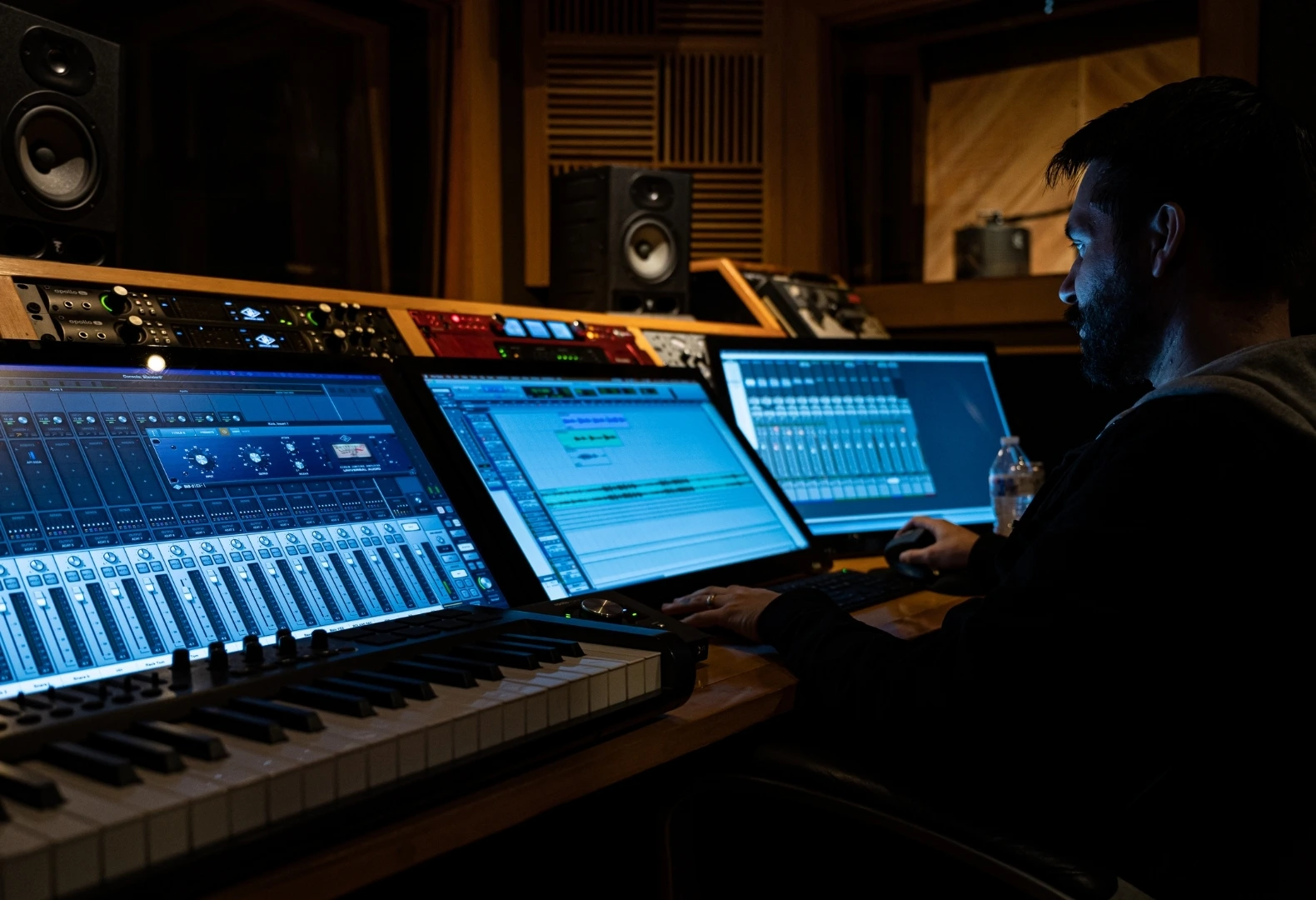
Creative Cities Like West Hollywood Have Distinct Needs
West Hollywood remains a hub for smaller production houses, design firms, and digital storytellers. While their scale may differ from that of major studios, their need for fast and secure infrastructure is just as pressing.
From cloud-based asset management to real-time collaboration tools, IT support in West Hollywood must be equally agile and future-focused. Managed services should accommodate mobile workforces, diverse creative platforms, and the constant need for secure external collaboration.
IT Integration and Workflow Automation
As media companies scale, automation and systems integration become critical. From ingest and tagging to asset delivery and rights management, modern IT ecosystems must connect everything without increasing manual labor.
Intelligent automation helps reduce time-consuming tasks, ensures compliance, and improves turnaround times. Workflow orchestration platforms that integrate with editing software, MAMs, and cloud storage give studios the ability to produce faster and more safely.
IT support for the entertainment industry should include consultation and implementation of workflow management tools that match each team’s creative rhythm.
Next Steps: Make Infrastructure an Enabler, Not an Obstacle
Production delays, streaming outages, or accidental leaks should not be accepted as routine. With the right IT partner, modern entertainment teams can turn infrastructure into a creative advantage.
The shift to cloud workflows and AI-based security is not just reactive. It’s strategic. With proper planning, support, and proactive monitoring, your tech environment can evolve with the speed of your ideas.
At Be Structured, we specialize in building the kind of scalable, secure, and agile IT ecosystems creative teams depend on. From real-time storage to cybersecurity frameworks and multi-cloud orchestration, we offer IT support Hollywood businesses can trust.
Schedule a free consultation today.