

Effective IT asset management turns that chaos into clarity. It gives companies the visibility and control they need to make confident technology decisions, reduce costs, and enhance operational performance.
A well-managed IT ecosystem begins with a complete understanding of the hardware, software, and services that make up an organization’s infrastructure. Asset management tools provide that visibility, allowing teams to monitor usage, license compliance, and lifecycle status.
When implemented strategically, IT asset management services goes beyond tracking inventory. It becomes a foundation for data-driven decision-making and a key driver of business efficiency.
What Is IT Asset Management
Organizations are operating in an increasingly digital environment, with assets spanning on-premises servers, virtual machines, and cloud applications. Each of these assets has its own cost, maintenance schedule, and security considerations.
Without accurate tracking, expenses multiply and performance suffers. Studies show that companies with mature asset management programs can reduce IT costs by up to 30 percent, largely by eliminating unused licenses and optimizing procurement cycles.
Visibility also reduces risk. Knowing exactly what devices and applications are connected to your network makes it easier to identify vulnerabilities before they become threats.
In regulated industries such as finance and healthcare, this visibility is essential for compliance. For growing businesses, it’s the difference between proactive management and reactive firefighting.
Automation and Operational Excellence in IT Asset Management Services
Automation is transforming how organizations handle IT assets. Modern asset management systems integrate with help desks, procurement platforms, and security tools to create a single, accurate source of truth.
Routine processes like onboarding new employees, assigning devices, and managing warranties can all be automated. This not only saves time but also reduces the human error that leads to downtime and lost productivity.

Icons representing standard features of an automated IT asset management system.
When automation is paired with strong operational practices, IT teams gain both efficiency and insight. Real-time dashboards can show performance trends across systems, highlight underutilized resources, and identify assets nearing end-of-life.
With these insights, technology leaders can plan upgrades and replacements more strategically, extending the value of existing investments and improving service delivery.
Turning Data into Actionable Intelligence
The real strength of IT asset management lies in its ability to generate actionable data. By analyzing asset performance, usage patterns, and cost data, organizations can align technology investments with business goals.
For instance, if monitoring reveals that a particular department consistently underuses its licensed software, those licenses can be reassigned or retired. The savings from even small optimizations can be substantial when scaled across an enterprise.
Unfortunately, many organizations still struggle to maintain accurate asset data. Poor data quality costs organizations an average of $12.9 million annually, often due to inconsistent reporting, manual errors, and lack of integration between systems.
That financial drain is avoidable. By centralizing data collection and ensuring that each asset record is updated automatically through connected systems, IT teams can make more reliable decisions and justify technology budgets with confidence.
Integrating Security with IT Asset Management
IT asset management is not only about cost control. It’s also a vital component of cybersecurity. Every unmanaged device or untracked license represents a potential entry point for attackers.
Integrating privileged access management into asset tracking systems helps mitigate these risks. When IT teams know exactly which devices have elevated permissions and who can access them, they can prevent misuse and strengthen compliance across the organization.
Asset management tools can also tie into monitoring and support platforms to provide real-time visibility into potential security incidents. When an asset behaves abnormally, such as accessing data outside of its normal scope, alerts can be triggered automatically.
This combination of asset tracking and continuous monitoring builds a stronger defense posture, allowing organizations to detect and respond to threats faster.
Working With IT Asset Management Companies for Efficiency and Expertise
Even with automation, maintaining a full-scale IT asset management program requires specialized skills and consistent oversight. For many businesses, this is where external expertise becomes a strategic advantage.
Organizations are seeking external assistance to supplement internal capability in addressing their biggest pain points. Partnering with a managed service provider allows companies to focus on their core operations while ensuring their technology investments are tracked and optimized by professionals.
Through outsourced technical support, businesses can gain 24/7 visibility into their asset performance, compliance status, and software utilization without expanding their internal IT staff. Managed providers bring advanced tools and established best practices that smaller teams may not have access to.
They also offer guidance on scaling infrastructure, implementing automation, and integrating asset management with broader business systems.
Maintaining Infrastructure Resilience
While cloud adoption has reduced dependence on physical infrastructure, many organizations still maintain a server room or hybrid environment to support critical workloads. In these setups, asset management becomes even more crucial.
Physical assets like servers, switches, and storage devices must be monitored for temperature, energy use, and performance. Automated asset tracking ensures that replacement parts are available when needed and that maintenance schedules are never missed.
A resilient infrastructure also requires a comprehensive view of dependencies. For example, if a core application relies on an outdated server or unsupported operating system, IT asset management systems can flag that risk early. This allows teams to plan migrations before failures occur, preventing costly downtime and service disruptions.
Leveraging IT Asset Management for Continuous Improvement
The insights gained from IT asset management extend far beyond inventory. When used strategically, these systems become a roadmap for continuous improvement.
Performance analytics can uncover patterns that indicate inefficiencies in network configurations, storage allocations, or software deployments. These discoveries help technology leaders refine processes and reallocate resources more effectively.
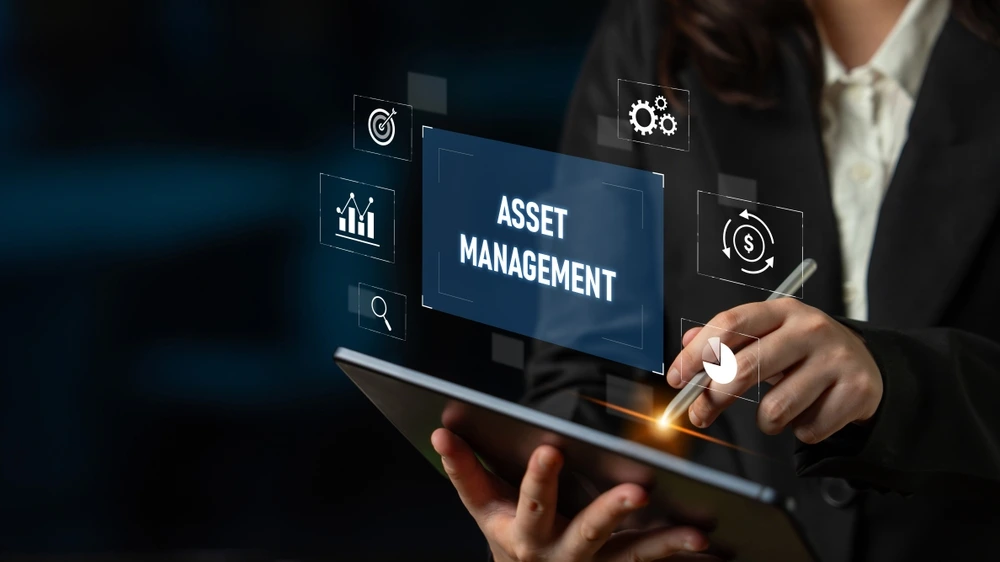
Asset management system showing investment planning, financial goal tracking, ROI analysis, and performance monitoring for efficient resource utilization
Asset management also supports sustainability initiatives. By tracking energy usage and device lifecycles, companies can plan environmentally responsible upgrades and reduce electronic waste.
A data-driven approach to technology management ensures that every dollar invested contributes to both operational performance and corporate responsibility goals.
Building a Data-Driven IT Culture
Technology investments only deliver their full value when they’re managed proactively. IT asset management helps build a culture of accountability and foresight, where decisions are based on measurable outcomes rather than assumptions.
This culture shift requires collaboration across departments, wherein finance, operations, and IT must work together to align asset management with overall business strategy. To make this shift successful, leadership must commit to maintaining accurate data, automating routine processes, and using analytics to guide decisions.
It’s not just about managing what the company owns, but about understanding how each asset contributes to productivity, security, and long-term growth.
Turn Insight into Action
IT asset management is more than an administrative task. It’s a strategic capability that drives efficiency, resilience, and smarter decision-making. By combining automation, analytics, and security integration, organizations can gain complete control over their technology investments and reduce waste across the board.
A well-structured IT asset management program leads to better forecasting, improved service delivery, and stronger business continuity. At Be Structured, we help organizations turn these principles into practice through our industry-specific managed IT solutions and usage of IT assets management tools.
Whether optimizing infrastructure for financial institutions, modernizing systems for manufacturers, or improving cybersecurity readiness, we bring the tools and expertise to elevate performance.
To see how a proactive, data-driven approach can strengthen your IT foundation, schedule a free consultation today.
