

Strong IT service management connects every aspect of technology performance, cost, and security to measurable insights that guide smarter business outcomes.
Business intelligence gives IT leaders the ability to move from reaction to anticipation. Instead of waiting for systems to fail or budgets to tighten, data-driven IT management helps predict issues, optimize spending, and improve service quality before problems arise.
With the right tools and processes, technology teams can make decisions grounded in facts rather than assumptions. As organizations integrate analytics into IT management, they not only improve technical performance but also align technology investments with broader business goals. Data turns IT from a cost center into a strategic driver of value.
Why Data-Driven IT Management Matters
Data has become one of the most powerful resources for organizations, and IT departments sit at the center of it. The growing reliance on cloud services, digital collaboration tools, and automation has created massive volumes of information about performance, usage, and user behavior.
Turning that information into actionable insight is what separates high-performing organizations from the rest. Research shows that organizations that are highly data-driven are three times more likely to report significant improvements in decision-making than those relying less on data. This advantage reflects more than access to information, as it also represents the ability to use that information effectively.
IT management services informed by data allows teams to monitor performance trends, track asset utilization, and measure service levels with precision. These insights make it easier to justify technology investments and identify areas where improvements will have the greatest impact.
Linking Business Intelligence with IT Management Services
Business intelligence and IT management share a common goal: improving decision-making. The two disciplines intersect when technology teams use analytics to assess infrastructure performance, system reliability, and risk exposure.
With automated reporting tools, organizations can monitor uptime, track application usage, and analyze costs across departments. When paired with visualization dashboards, these insights make performance data accessible and understandable to both technical and business leaders.
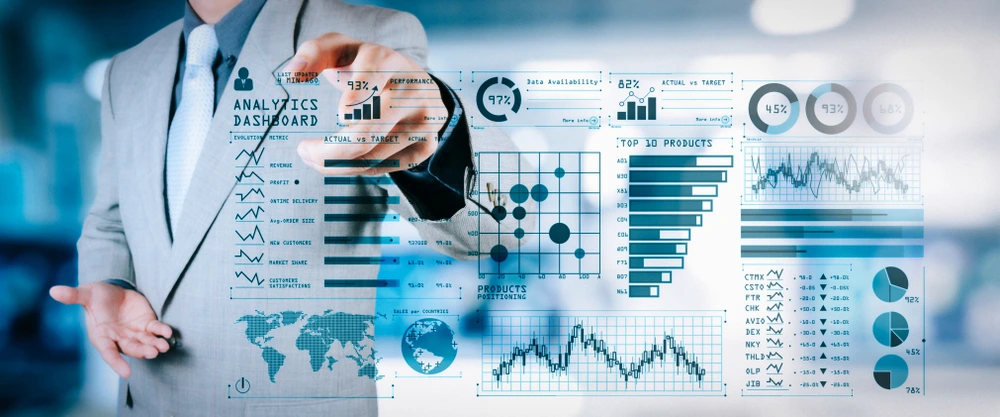
Intelligence (BI) and business analytics (BA) with key performance indicators (KPI) dashboard concept.
Instead of reviewing isolated incidents, decision-makers can identify patterns over time, such as recurring network bottlenecks or peak usage hours, and use that knowledge to prioritize resources effectively.
Data-driven monitoring also improves forecasting. Predictive analytics can identify when hardware will need replacement, when cloud storage costs might spike, or when usage trends indicate that additional bandwidth will be required. This proactive approach allows IT leaders to plan ahead rather than react under pressure.
Building a Culture of Data-Driven IT Management
Technology alone cannot transform an organization. The shift toward data-driven IT resource management requires cultural alignment. Teams must value evidence over assumption, transparency over guesswork, and long-term optimization over quick fixes.
That mindset empowers IT departments to act as advisors rather than troubleshooters. Strong governance frameworks are essential for maintaining consistent data quality. Inaccurate or incomplete information can lead to poor decisions and wasted investment.
Automated data collection and centralized dashboards help ensure that decision-makers always work with reliable information. Evidence also shows that data-driven decision-making was found to be strongly associated with increased productivity.
The more consistently organizations use analytics to guide their actions, the more efficient and resilient they become. That’s the benefits of IT asset management. This pattern holds true across industries, proving that better data directly contributes to better outcomes.
Improving IT Performance Through Monitoring and Analytics
Modern IT environments are complex, often spanning multiple data centers, cloud platforms, and hybrid networks. Monitoring performance across this landscape requires tools that collect and analyze data in real time.
Intelligent monitoring platforms consolidate alerts, performance logs, and usage statistics into a unified view. These systems help teams detect inefficiencies, track response times, and identify vulnerabilities before they affect users.
With data-backed visibility, IT managers can pinpoint issues at the source and prioritize fixes based on business impact. This approach prevents small problems from escalating into costly outages. Incorporating predictive analytics further enhances performance management.
Historical data can reveal patterns that suggest when systems are likely to fail or degrade. Addressing these risks proactively prevents disruptions and extends equipment life cycles.
Using IT Security Management to Strengthen Security
Data-driven IT management also strengthens cybersecurity strategy. Tracking user behavior, login activity, and system changes helps identify anomalies that could indicate breaches. Correlating this information with asset inventories allows teams to spot unauthorized devices or outdated software before they become threats.
Strong analytics practices also make compliance reporting easier. Regulatory frameworks often require detailed records of data access, retention, and incident response. Automated reports save time while improving accuracy and accountability.
Security also depends on backup resilience. Data analytics can verify the frequency, integrity, and recovery performance of backups. This ensures that systems remain ready to prevent data loss and recover quickly from any incident.
Safeguarding Data Integrity and Availability
An intelligent IT management strategy includes a focus on business continuity. System monitoring and automation can minimize downtime, but resilience ultimately depends on strong backup and recovery planning.
Reliable data backup and protection services are essential for organizations that rely heavily on digital infrastructure. Automated backups, offsite replication, and encryption protect valuable assets from both physical and cyber threats.
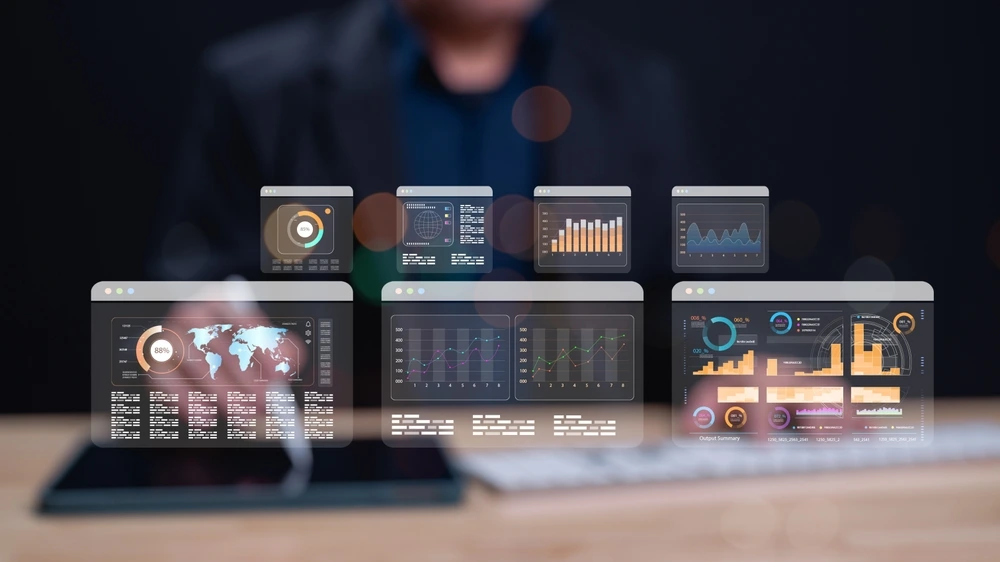
Interactive data dashboards, emphasizing analytics and visualization in business strategies, enhancing decision-making through insightful data representation.
These measures ensure that critical data can be restored quickly after an incident, minimizing disruption to operations. Equally important is access control. Proper configuration of permissions and identity management systems helps keep company data safe from unauthorized access. Continuous auditing of these systems ensures compliance and reduces the likelihood of accidental data exposure.
Turning Data into Continuous Improvement
Effective IT management is not a one-time initiative but a continuous process of improvement. Analytics tools can measure how technology changes affect performance, allowing teams to evaluate ROI and refine strategies over time.
For example, performance data might reveal that certain workloads perform better on specific cloud platforms, or that automated patching reduces incident rates by a measurable percentage. These insights allow organizations to reallocate budgets and refine architectures for maximum efficiency.
Continuous improvement also supports sustainability goals. By tracking energy usage and hardware performance, IT teams can identify opportunities to reduce consumption and extend the lifespan of existing equipment. Data-driven planning creates an environment where every investment contributes to long-term efficiency.
Aligning Technology Decisions with Business Outcomes
The ultimate goal of using business intelligence for IT management is alignment and ensuring that technology decisions support business objectives. When IT leaders use data to measure outcomes and guide resource allocation, technology becomes an enabler of growth rather than a source of risk.
Collaboration between IT and other departments plays a major role in this alignment. Finance, operations, and leadership teams must all have access to the same performance data and understand how it connects to business metrics. This shared visibility fosters accountability and helps align technology priorities with organizational goals.
As the reliance on digital infrastructure continues to grow, the organizations that succeed will be those that make data central to every IT decision. Insightful analysis will replace guesswork, creating more agile, secure, and cost-efficient operations.
Turning Data into Direction
Data-driven IT management turns every system interaction into an opportunity for improvement. Through business intelligence, organizations can transform raw information into actionable strategies that improve performance, strengthen security, and optimize costs.
The most successful technology leaders use analytics not only to track performance but to anticipate future challenges and opportunities. At Be Structured, we specialize in helping organizations unlock the power of their data through advanced monitoring, analytics, and security integration.
Our industry-specific solutions combine business intelligence with hands-on IT expertise to enhance decision-making, performance, and resilience. Let us help you build a smarter, more data-driven technology environment. Schedule a free consultation today.
FAQs on Data-Driven IT Solutions
1. What is data-driven IT management? Data-driven IT management uses analytics and business intelligence to guide technology decisions based on measurable insights rather than assumptions. It helps organizations monitor performance trends, track asset utilization, and predict issues before they impact operations, transforming IT from a cost center into a strategic driver of value.
2. Why does data-driven IT management matter for businesses? Organizations that are highly data-driven are three times more likely to report significant improvements in decision-making. Data-driven IT management enables teams to optimize spending, improve service quality, and align technology investments with broader business goals through actionable insights.
3. How does business intelligence improve IT service management? Business intelligence connects technology performance, cost, and security to measurable insights that guide smarter decisions. Automated reporting tools and visualization dashboards make performance data accessible to both technical and business leaders, enabling them to identify patterns and prioritize resources effectively.
4. What role does predictive analytics play in IT management? Predictive analytics identifies when hardware needs replacement, when cloud storage costs might spike, or when additional bandwidth will be required. This proactive approach allows IT leaders to plan ahead rather than react under pressure, preventing disruptions and extending equipment life cycles.
5. How does data-driven IT management strengthen cybersecurity? Tracking user behavior, login activity, and system changes helps identify anomalies that could indicate security breaches. Correlating this information with asset inventories allows teams to spot unauthorized devices or outdated software before they become threats, while automated reports improve compliance accuracy.
6. What are the key benefits of IT performance monitoring and analytics? Intelligent monitoring platforms consolidate alerts, performance logs, and usage statistics into a unified view that helps detect inefficiencies and identify vulnerabilities before they affect users. Data-backed visibility enables IT managers to pinpoint issues at the source and prioritize fixes based on business impact.
7. How do automated backups support business continuity? Automated backups, offsite replication, and encryption protect valuable assets from both physical and cyber threats, ensuring critical data can be restored quickly after an incident. Data analytics can verify backup frequency, integrity, and recovery performance to minimize downtime and prevent data loss.
8. What cultural changes are needed for data-driven IT management? Organizations must value evidence over assumption, transparency over guesswork, and long-term optimization over quick fixes. Strong governance frameworks ensure consistent data quality, while automated data collection and centralized dashboards help decision-makers work with reliable information.
9. How does data-driven IT management support sustainability goals? By tracking energy usage and hardware performance, IT teams can identify opportunities to reduce consumption and extend the lifespan of existing equipment. Data-driven planning ensures every technology investment contributes to long-term efficiency and environmental responsibility.
10. How can IT align technology decisions with business outcomes? Using business intelligence to measure outcomes and guide resource allocation ensures technology supports business objectives rather than creating risk. Shared visibility across finance, operations, and leadership teams fosters accountability and helps align technology priorities with organizational goals.
